AI for Agriculture in Nigeria: Empowering Smallholder Farmers
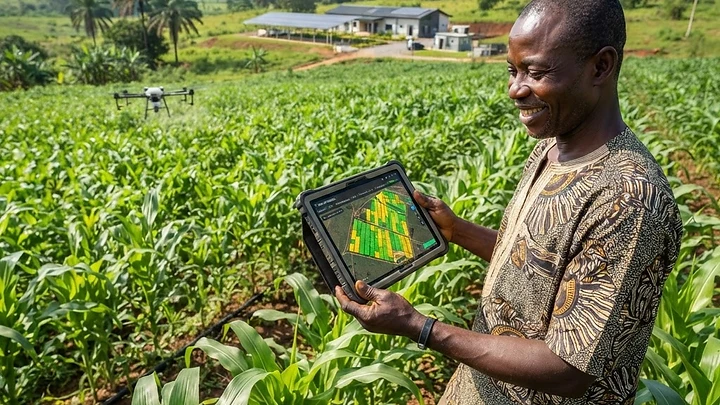
Discover how AI is revolutionizing agriculture in Nigeria, offering innovative solutions for smallholder farmers and driving the agritech revolution.
AI for Agriculture in Nigeria: Empowering Smallholder Farmers
Nigeria's agricultural sector, the backbone of its economy, is predominantly driven by smallholder farmers. These dedicated individuals, often working with limited resources and facing unpredictable environmental conditions, are crucial for food security and rural livelihoods. However, they grapple with numerous challenges: fluctuating weather patterns, pest infestations, soil degradation, limited access to market information, and inefficient farming practices. These hurdles can significantly impact yields, income, and overall sustainability.
In recent years, a wave of innovation has begun to sweep across the Nigerian agricultural landscape, spearheaded by the burgeoning agritech sector. At the forefront of this transformation is Artificial Intelligence (AI). AI is no longer a futuristic concept; it's a practical tool offering tangible solutions to the age-old problems faced by Nigerian farmers. From optimizing crop yields to predicting disease outbreaks, AI is unlocking new potentials, making farming more efficient, profitable, and resilient. This technological leap is not just about adopting new gadgets; it's about empowering the very people who feed the nation and the continent.
This evolution is particularly exciting for African founders and diaspora entrepreneurs who are increasingly looking to leverage technology to solve local challenges. The potential for AI in agriculture across Africa, and specifically in Nigeria, is immense. It offers a pathway to bridge the gap between traditional farming methods and modern, data-driven approaches, ultimately enhancing the livelihoods of millions and contributing to a more robust and sustainable food system for the continent.
The AI Advantage for Nigerian Agriculture
Artificial Intelligence offers a suite of powerful tools that can directly address the pain points of smallholder farmers in Nigeria. By analyzing vast amounts of data, AI algorithms can provide insights and recommendations that were previously inaccessible or too complex to derive.
- Precision Farming Nigeria: AI enables precision farming, a method that optimizes resource use (water, fertilizer, pesticides) based on specific field conditions. Instead of blanket applications, AI-powered systems can identify precise needs for different zones within a farm, leading to reduced waste and increased efficiency.
- AI Crop Monitoring: Through image recognition and machine learning, AI can monitor crop health remotely. Drones or satellite imagery, analyzed by AI, can detect early signs of disease, nutrient deficiencies, or pest infestations long before they become visible to the human eye. This allows for timely intervention, preventing widespread crop loss.
- Yield Prediction: AI models can analyze historical data, weather patterns, soil conditions, and crop health metrics to predict potential yields. This helps farmers make better decisions regarding planting, harvesting, and market planning.
- Market Access and Price Forecasting: AI can analyze market trends and consumer demand to provide farmers with insights into optimal selling times and prices, helping them secure better deals and reduce post-harvest losses.
Addressing Key Challenges with AI Tools for Farmers in Africa
Several specific challenges faced by Nigerian farmers can be effectively tackled with AI-powered solutions. The agritech startups Nigeria ecosystem is actively developing and deploying these innovations.
Climate Change and Weather Volatility
Climate change presents a significant threat to agriculture globally, and Nigeria is no exception. Erratic rainfall, prolonged droughts, and increased flooding can devastate crops. AI can help by:
- Predictive Weather Analytics: AI algorithms can process complex meteorological data to provide more accurate short-term and long-term weather forecasts tailored to specific regions. This allows farmers to plan planting and harvesting schedules more effectively and prepare for extreme weather events.
- Optimized Irrigation: AI-powered sensors and systems can monitor soil moisture levels and weather forecasts to determine the precise amount of water needed for irrigation, conserving water resources and ensuring crops receive adequate hydration even during dry spells.
Pest and Disease Management
Crop diseases and pest infestations are a constant threat, leading to substantial yield losses. AI offers proactive solutions:
- Early Detection Systems: As mentioned, AI-powered image analysis can identify diseases and pests at their nascent stages. This enables targeted treatment, minimizing the need for broad-spectrum pesticides and reducing environmental impact.
- Disease Forecasting: By analyzing environmental factors and historical outbreak data, AI can predict the likelihood of specific diseases spreading in certain areas, allowing farmers to take preventative measures.
Soil Health and Nutrient Management
Maintaining healthy soil is fundamental to productive farming. AI can assist in:
- Soil Analysis: AI can interpret data from soil sensors to provide detailed insights into nutrient levels, pH, and soil structure. This information guides farmers on the most effective and efficient use of fertilizers and soil amendments.
- Crop Rotation and Planning: AI can recommend optimal crop rotations based on soil health data and crop requirements, helping to replenish nutrients and prevent soil degradation over time.
Resource Optimization
Smallholder farmers often operate with limited capital, making efficient resource allocation critical. AI helps optimize the use of:
- Fertilizers and Pesticides: Precision application, guided by AI, ensures that these inputs are used only where and when needed, reducing costs and environmental pollution.
- Water: Smart irrigation systems powered by AI prevent over- or under-watering, crucial in regions facing water scarcity.
The Rise of Agritech Startups in Nigeria
Nigeria's agritech sector is vibrant and growing, with numerous startups leveraging AI and other technologies to serve farmers. These companies are crucial in translating AI's potential into practical, on-the-ground solutions. They are developing platforms for:
- Data Collection and Analysis: Gathering data from sensors, drones, and even farmer inputs to feed AI models.
- Decision Support Systems: Providing farmers with actionable advice through mobile apps or SMS.
- Supply Chain Management: Using AI to optimize logistics and reduce post-harvest losses.
The growth of these agritech startups Nigeria is also attracting attention from investors, signaling a promising future for AgriTech funding in the region. This funding is vital for scaling solutions and reaching more farmers.
Smart Farming Nigeria: The Future is Now
Smart farming, often synonymous with precision agriculture and enabled by AI, is transforming how farming is done in Nigeria. It's about making informed decisions based on data rather than solely on tradition or intuition. This shift is essential for increasing productivity, improving sustainability, and ensuring the long-term viability of agriculture in the face of evolving challenges.
- Empowering Farmers with Knowledge: AI tools can democratize access to expert knowledge, providing farmers with insights previously only available to large-scale agricultural operations.
- Increased Efficiency and Profitability: By optimizing inputs and improving yields, smart farming directly translates to better economic outcomes for farmers.
- Sustainable Practices: AI promotes environmentally friendly practices by reducing the overuse of water, fertilizers, and pesticides.
Overcoming Hurdles and Looking Ahead
Despite the immense potential, challenges remain in the widespread adoption of AI in Nigerian agriculture. These include:
- Digital Literacy and Access: Ensuring farmers have the necessary skills and access to technology (smartphones, internet connectivity) to utilize AI tools.
- Cost of Technology: High initial costs for some AI-powered hardware can be a barrier for smallholder farmers.
- Data Infrastructure: Developing robust data collection and management systems.
- Trust and Adoption: Building trust in AI-driven recommendations among farmers accustomed to traditional methods.
However, the momentum is undeniable. With continued innovation from agritech startups Nigeria, supportive government policies, and increased AgriTech funding, AI is poised to play an even more significant role. The African diaspora also has a crucial part to play, bringing expertise, investment, and innovative ideas back to the continent.
Conclusion
Artificial Intelligence is not just a technological advancement; it's a powerful enabler for the future of agriculture in Nigeria. By providing sophisticated tools for precision farming, crop monitoring, and resource management, AI directly addresses the critical challenges faced by smallholder farmers. The growing ecosystem of agritech startups Nigeria, coupled with increasing AgriTech funding, is paving the way for widespread adoption. As Nigeria continues to embrace smart farming and leverage AI for agriculture, it moves closer to achieving food security, enhancing rural economies, and building a more resilient and prosperous agricultural sector for generations to come.
Build your venture with SparkForge
Find a co-founder, raise funding, and grow — all in one place.
Get Started Free